

Red Whiptail Catfish
Red Whiptail Catfish
Regular price
$9.99 USD
Regular price
Sale price
$9.99 USD
Unit price
per
Shipping calculated at checkout.
Couldn't load pickup availability
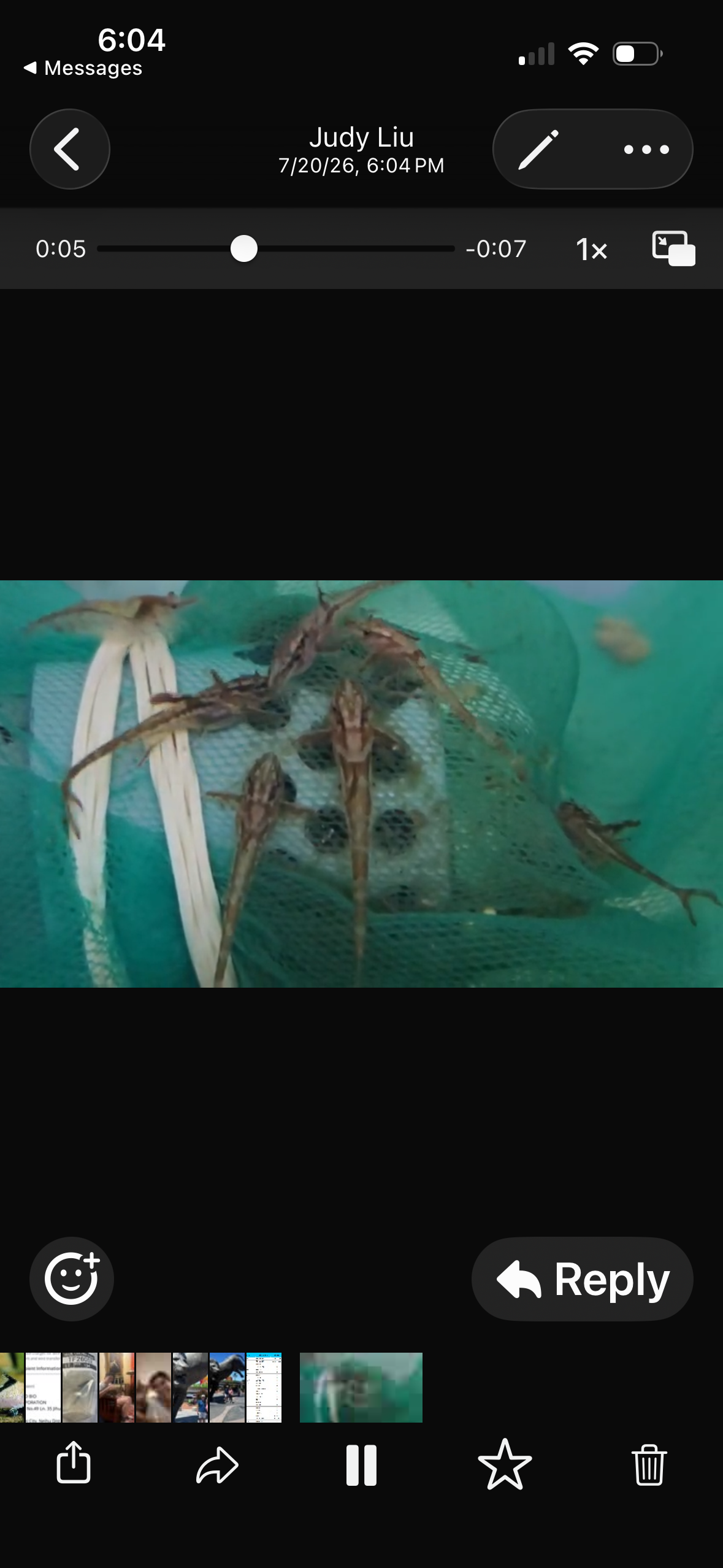
The red whiptail catfish (Rineloricaria sp. L010a), also known as the Red Lizard Catfishor Red Lizard Whiptail Pleco, is a slender, peaceful freshwater fish popular in the aquarium hobby. Known for its brilliant red to rusty orange coloration and long, whip-like tail, it is an excellent addition to most community tanks.


Key Characteristics
- Size: This species reaches a maximum size of around 4.5 to 6 inches (11-15 cm).
- Temperament: It is a very peaceful and shy bottom-dweller, generally solitary but can be kept in groups of three or more to encourage natural behaviors. They are non-aggressive and compatible with a variety of other peaceful fish and invertebrates.
- Origin: While parent species are native to South America (likely the Amazon basin), the red color morph is generally considered to be an aquarium strain, a result of captive breeding.
- Diet: Omnivorous, primarily a grazer that feeds on algae and biofilm. Its diet should be supplemented with high-quality sinking pellets, algae wafers, blanched vegetables (zucchini, spinach), and occasional frozen meaty treats like bloodworms or daphnia.
- Aquarium Role: They help keep the tank clean by scavenging for leftover food and grazing on algae, using specialized mouthparts to scrape surfaces.
Aquarium Care Guidelines
To ensure a healthy environment for your red whiptail catfish, consider the following care points:
- Tank Size: A minimum of a 30-gallon aquarium is recommended, with larger tanks needed for groups.
-
Water Parameters: They are adaptable but thrive in stable conditions with good filtration and high aeration.
- Temperature: 72-84°F (22-29°C).
- pH: 6.0-7.5 (slightly acidic to neutral).
- Hardness: Soft to moderately hard water.
- Decor: The tank should mimic their natural riverbank habitat with a soft, sandy substrate to protect their undersides, along with plenty of driftwood, rocks, and plants to provide ample hiding spots.
- Lighting: Dim lighting is preferred as they are largely nocturnal and generally more active in the evening.
- Compatibility: Best kept with non-aggressive, peaceful tank mates such as tetras, rasboras, or dwarf cichlids. Avoid boisterous or large, predatory species that might outcompete them for food.